
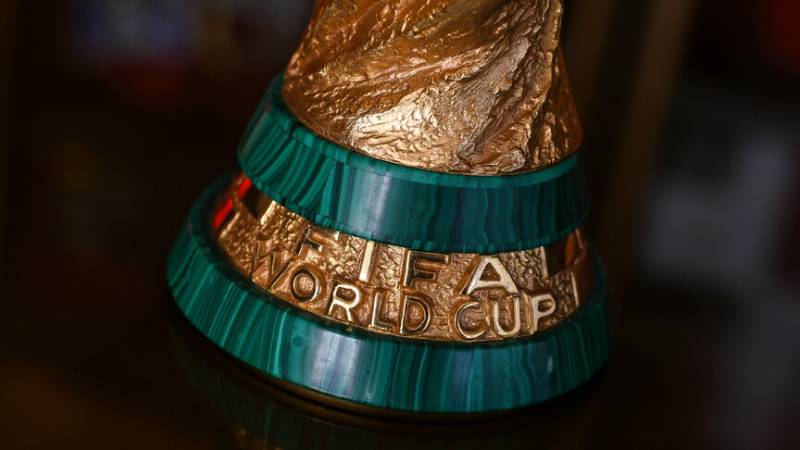
The 2026 FIFA World Cup is set to be the most expansive and commercially significant tournament in the history of football, generating an estimated $80 billion in gross economic output across the three host nations — the United States, Canada and Mexico. While independent economists caution that the real-world impact may fall short of that headline figure, there is no doubt that this tournament represents football’s biggest ever business showcase.
A Historic Format Change
For the first time in the competition’s modern era, FIFA has expanded the tournament from the traditional 32-team format to a groundbreaking 48-team model — a decision driven by the desire to make football more inclusive and give more nations a chance to compete on the world’s biggest stage.
The expansion has significantly increased the scale of the tournament, stretching its duration to approximately six weeks and raising the total number of matches from 64 to 104. The 48 participating nations have been grouped into 12 groups of four teams each, and the new structure also introduces a round of 32 for the very first time in World Cup history.
The 32-team format had served as the standard since the 1998 tournament in France — making this the most significant structural change to the competition in nearly three decades.
A Bigger Stage for Developing Nations
The format change has created a massive and long-awaited opportunity for developing football nations that previously struggled to qualify for the global stage. With more qualification slots allocated to regions like Africa and Asia, the 2026 World Cup will feature the broadest and most diverse global representation in the tournament’s history.
The expanded format has also driven the broadcast value of each individual match to extraordinary levels, with networks around the world competing fiercely for the rights to air what is now the most watched sporting event on the planet.
Key Dates and Venues
The tournament will kick off at the iconic and historic Azteca Stadium in Mexico City on June 11 — a venue that has already hosted two previous World Cup finals and holds a unique place in football’s history. The grand finale will take place at the MetLife Stadium in New Jersey on July 19, bringing six weeks of world-class football to a conclusion in front of one of the largest stadium crowds in the competition’s history. ⚽🌍