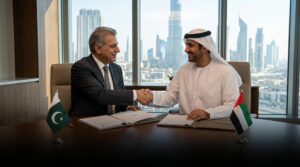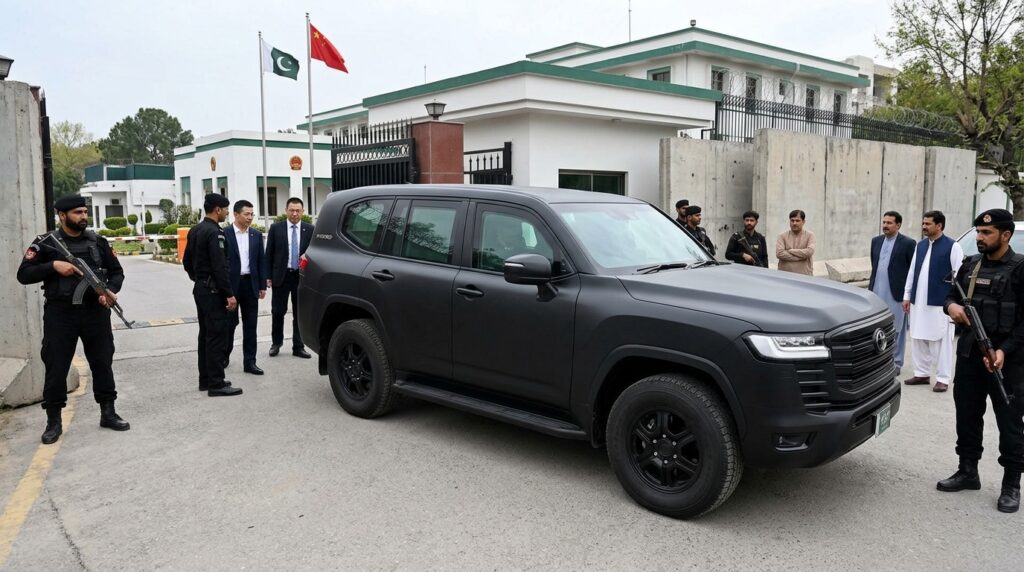

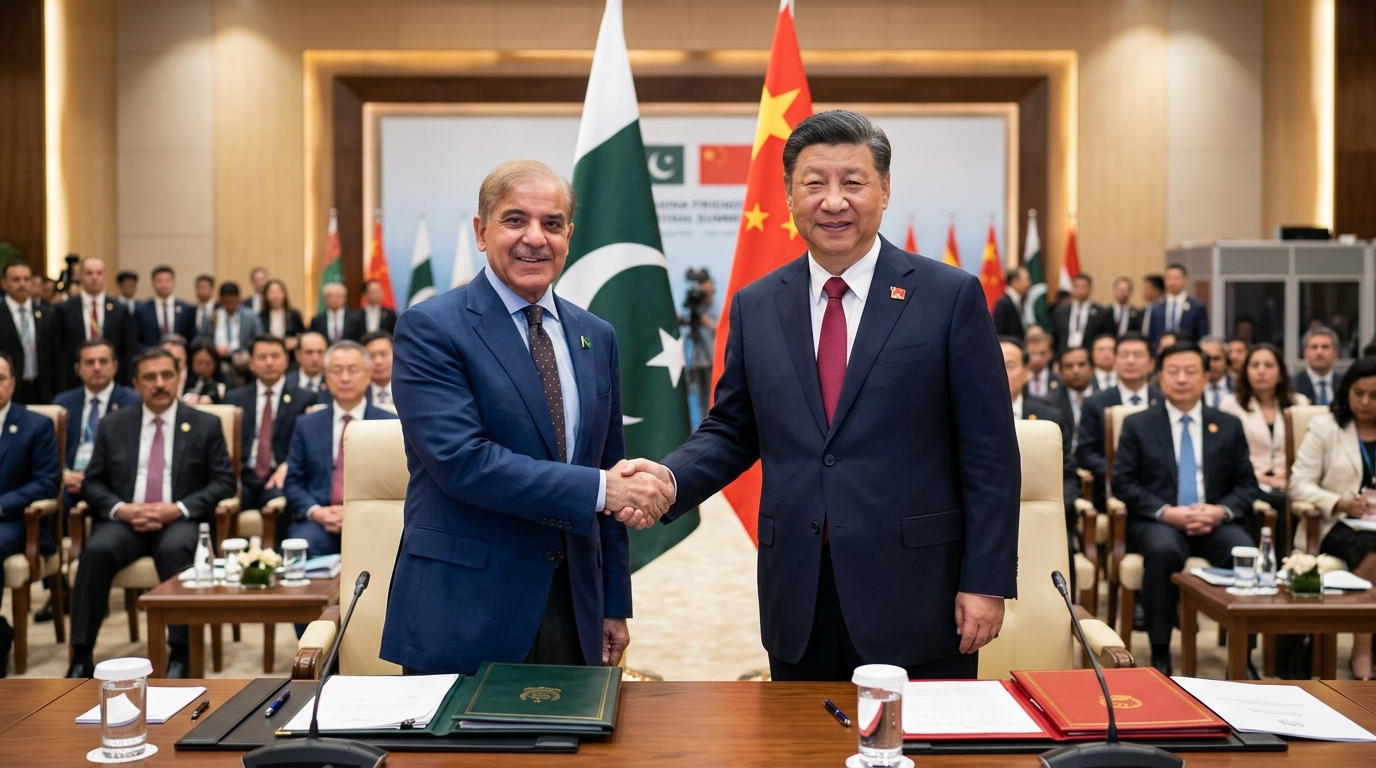
Pakistan and China are expected to sign more than 100 Memorandums of Understanding (MoUs) worth approximately US$5 billion during Prime Minister Shehbaz Sharif official visit to China from May 24 to May 26.
The agreements are being viewed as a major step toward strengthening Pakistan–China economic cooperation, with a strong focus on trade expansion, industrial collaboration, and long-term investment opportunities.
Majority of Agreements Focus on Private Sector Cooperation
According to officials, most of the MoUs will be business-to-business (B2B) partnerships, while a smaller portion will involve direct government-to-government cooperation.
The overall goal is to enhance:
- Bilateral trade growth
- Foreign direct investment (FDI) inflows
- Industrial and technological collaboration
- Private sector participation in both countries
Key Sectors Included in $5 Billion Agreements
The planned cooperation covers a wide range of high-growth sectors, including:
- Agriculture and agribusiness
- Food processing and dairy production
- Fisheries and livestock development
- Logistics and supply chain systems
- Information Technology (IT) and software services
- Fintech and digital payments
- E-commerce and cloud computing
- Telecommunications infrastructure
- Advanced manufacturing and electronics
- Electric vehicles (EVs) and components
These sectors are expected to play a key role in Pakistan’s economic modernization and industrial development strategy.
High-Level Meetings Between Pakistan and China Leadership
During the official visit, Prime Minister Shehbaz Sharif is scheduled to meet:
- Xi Jinping
- Chinese Premier Li Qiang
The discussions will focus on strengthening economic ties, improving investment flows, and expanding strategic cooperation between the two countries.
Coordination Mechanism for Implementation of MoUs
To ensure smooth execution of the agreements, a special coordination committee has been established.
This body will:
- Monitor implementation of signed MoUs
- Facilitate project execution
- Support investor coordination
- Address operational challenges
Officials say this mechanism is designed to ensure that agreements translate into real economic projects and measurable outcomes.
Boost to Pakistan–China Economic Relations
Experts believe the upcoming visit could significantly deepen Pakistan–China economic relations and attract new investment into Pakistan’s key growth sectors.
The agreements are also expected to:
- Strengthen industrial cooperation
- Expand export opportunities
- Encourage technology transfer
- Support long-term economic stability