

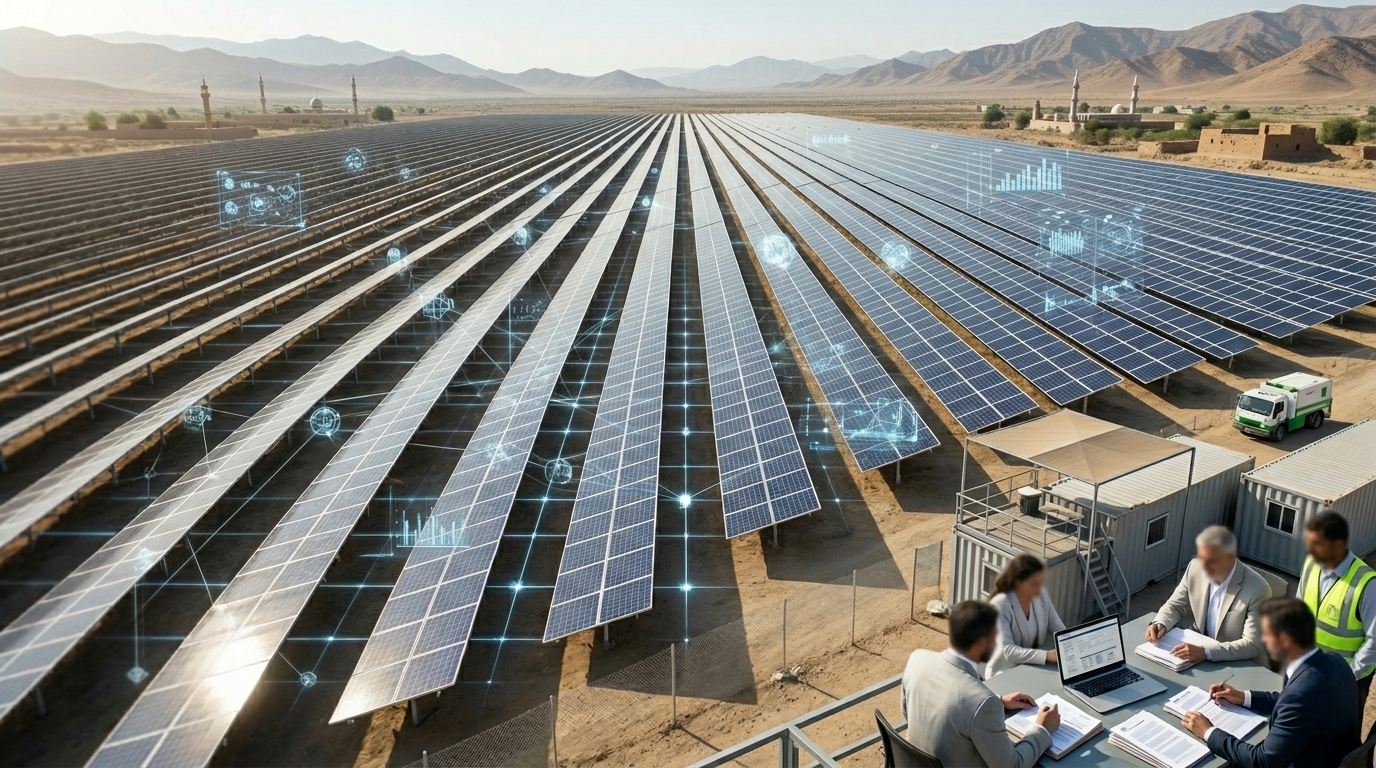
Pakistan’s solar industry is steadily shifting toward a more regulated and transparent framework, where compliance, responsible sourcing, and supply chain governance are becoming increasingly important alongside cost and technology considerations.
The introduction of SRO 704(I)/2026 by the Ministry of Commerce marks a significant policy step aimed at strengthening oversight of imports linked to forced labour risks, while encouraging improved accountability across industrial supply chains.
Growing Demand for Clean Energy Drives Regulatory Focus
Pakistan’s renewable energy sector is experiencing rapid expansion, driven by:
- Rising electricity demand
- Increasing solar adoption in homes, businesses, and industries
- Need for affordable and sustainable energy solutions
As the market grows, attention is shifting beyond price and efficiency toward ethical sourcing and global compliance standards.
Global ESG Standards Reshape Solar Supply Chains
Internationally, solar supply chains are under increasing scrutiny regarding:
- Labour rights compliance
- Environmental sustainability
- Ethical procurement practices
- ESG (Environmental, Social, and Governance) standards
Governments, investors, and global buyers are now prioritizing transparent and traceable supply chains, encouraging manufacturers to strengthen governance systems and supplier accountability.
Pakistan Aligns with Global Compliance Trends
Industry experts believe Pakistan’s new regulation reflects this global transition toward stronger ESG-driven oversight.
The policy is expected to promote:
- Supplier due diligence and verification
- Improved traceability in imports
- Ethical sourcing standards
- Better governance across solar supply chains
Historically, solar procurement decisions were mainly driven by cost and performance. However, evolving regulations are likely to shift focus toward compliance and sustainability standards.
Industry Movement Toward Responsible Manufacturing
Leading global solar manufacturers are already adopting stricter ESG frameworks to align with international expectations.
For example, companies such as LONGi have implemented:
- Supplier due diligence systems
- ESG audits and monitoring programs
- Sustainable procurement frameworks
- Human rights compliance policies aligned with UN Guiding Principles (UNGPs)
These initiatives aim to eliminate risks such as forced labour, child labour, and unethical practices while improving transparency across the supply chain.
Strengthening Pakistan’s Solar Market for Long-Term Growth
As Pakistan’s solar sector continues to expand, experts believe that stronger regulatory frameworks will:
- Improve investor and consumer confidence
- Strengthen international trade compliance
- Encourage responsible industrial growth
- Support long-term sustainability in the energy sector
Conclusion
The introduction of SRO 704(I)/2026 signals an important step in aligning Pakistan’s solar industry with global ESG and compliance standards. By focusing on transparency and responsible sourcing, the regulation is expected to play a key role in shaping a more sustainable and globally competitive renewable energy market.