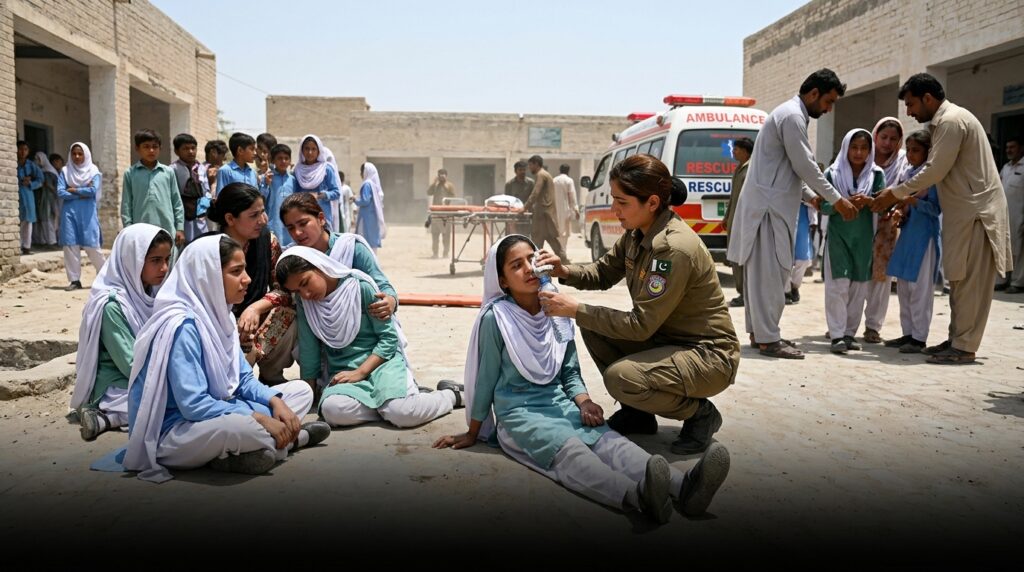

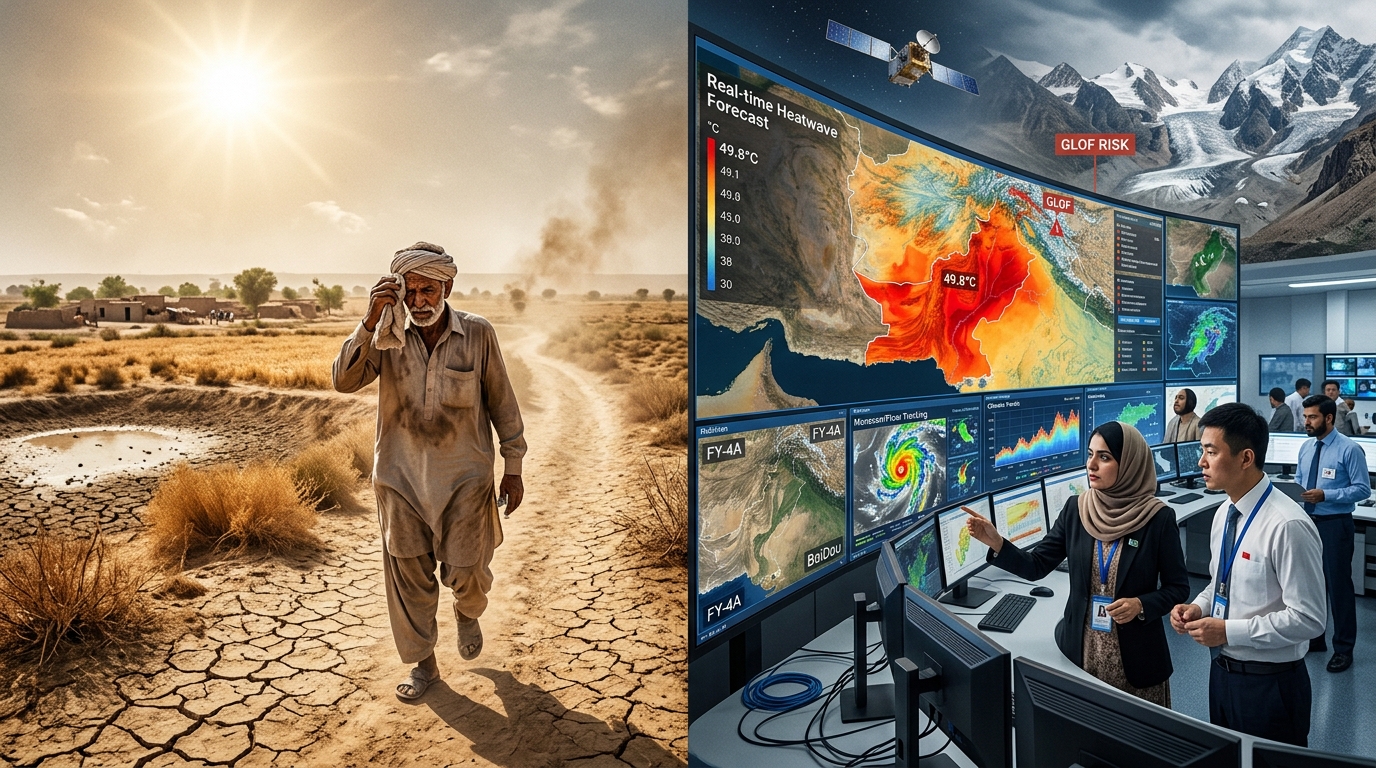
Pakistan is heading toward what experts warn could become one of the most dangerous summer seasons in recent years, with temperatures in some regions potentially approaching 50°C amid intensifying heatwaves and growing climate threats.
Authorities have already issued warnings about extreme weather conditions, while rapidly melting glaciers in northern Pakistan continue to increase the risk of flash floods and Glacial Lake Outburst Floods (GLOFs) capable of devastating vulnerable mountain communities within minutes.
Climate Change Increasing Pressure on Pakistan
Environmental experts say climate-related disasters in Pakistan are becoming more frequent and severe, affecting:
- Heatwave intensity
- Flood risks
- Water security
- Agriculture
- Food supply chains
- Public health
Pakistan remains among the countries most vulnerable to climate change despite contributing a relatively small share of global carbon emissions.
China-Pakistan Weather Monitoring Partnership Gains Attention
Amid rising climate risks, a Chinese-developed weather forecasting and disaster warning platform known as MAZU is gaining attention for helping improve Pakistan’s early warning and disaster response systems.
The platform reportedly combines:
- Satellite monitoring
- Advanced radar systems
- Climate forecasting models
- Flood tracking tools
- Glacier monitoring technology
The system uses data from China’s Fengyun Meteorological Satellite Program alongside local forecasting infrastructure operated by Pakistan Meteorological Department.
MAZU System Helps Improve Flood and Heatwave Alerts
According to reports, the platform has been customized to address Pakistan’s major climate threats, including:
- Extreme heatwaves
- Flash floods
- Heavy rainfall
- Glacier-related flooding
- Agricultural disasters
- Drought conditions
During the 2025 flood season, Pakistan’s weather authorities reportedly issued 15–16 alerts using the system. Officials claim that areas where the warning tools were deployed experienced improved emergency response coordination and reduced casualties.
Technology Now Supporting Agriculture and Food Security
The climate monitoring partnership is also expanding beyond disaster alerts into areas such as:
- Crop forecasting
- Drought monitoring
- Agricultural planning
- Food security management
Experts say these technologies may help farmers make better planting and harvesting decisions as climate conditions become increasingly unpredictable.
Pakistan and China Strengthen Climate Resilience Cooperation
Analysts believe the growing climate cooperation between Pakistan and China reflects broader efforts to improve regional climate resilience and disaster preparedness across developing nations.
As extreme weather events continue to increase globally, officials from both countries view the partnership as part of a larger strategy to build stronger climate adaptation systems for vulnerable regions across the Global South.