
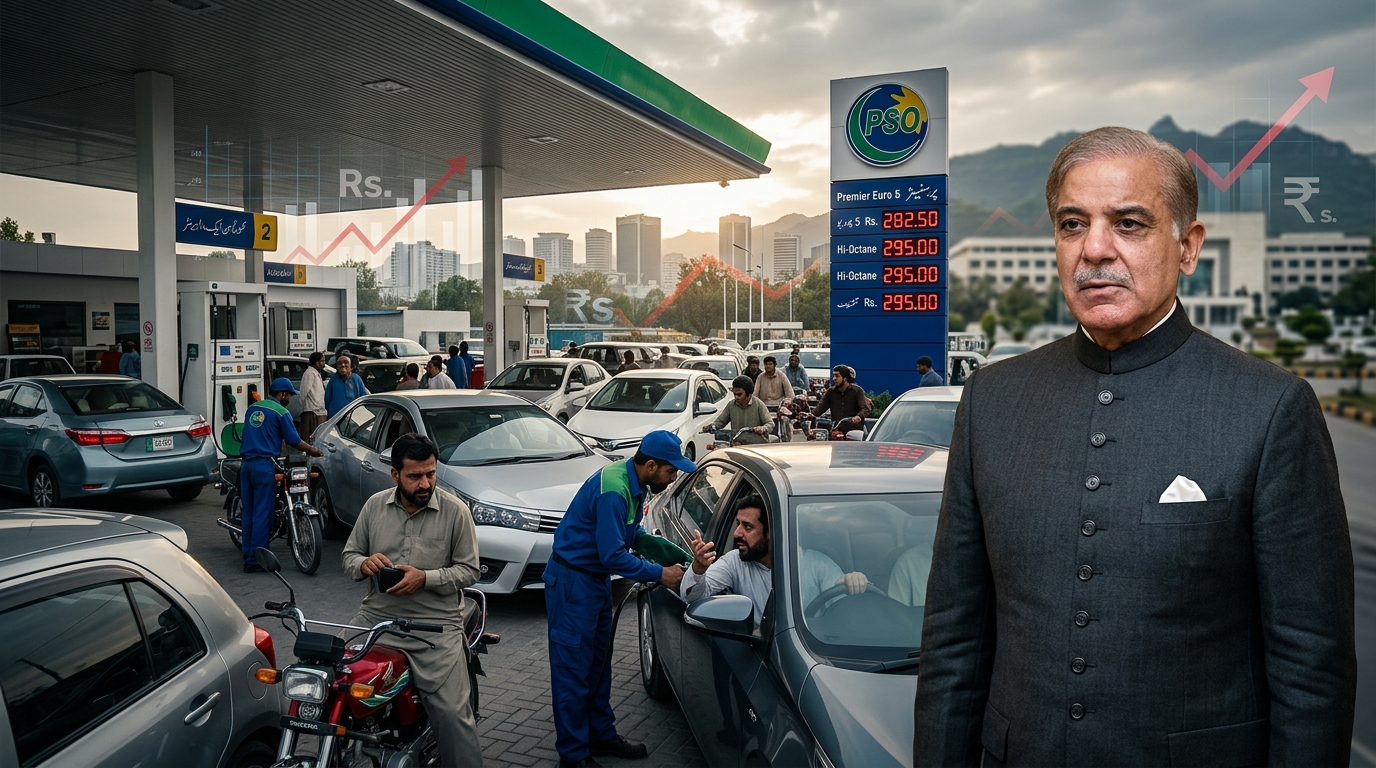
Pakistan collected nearly Rs. 1.2 trillion through the petroleum levy during the first nine months of the current fiscal year, according to a recent financial report. The massive revenue collection highlights the government’s increasing dependence on fuel taxes to manage economic challenges and support fiscal stability.
Petroleum Levy Becomes Key Source of Government Revenue
The petroleum levy has emerged as one of the government’s major revenue streams amid ongoing economic reforms, rising fiscal pressure, and efforts to reduce the budget deficit. Officials believe the levy is helping the government maintain public spending and meet financial commitments during a difficult economic period.
Economic analysts say fuel taxation plays a critical role in strengthening Pakistan’s fiscal system, especially as the country continues negotiations and reforms linked to economic stabilization programs.
Rising Fuel Prices Increase Cost of Living
The increase in petroleum levy has directly contributed to higher petrol and diesel prices across Pakistan. As fuel costs rise, transportation expenses, delivery charges, and industrial production costs also increase, creating a ripple effect throughout the economy.
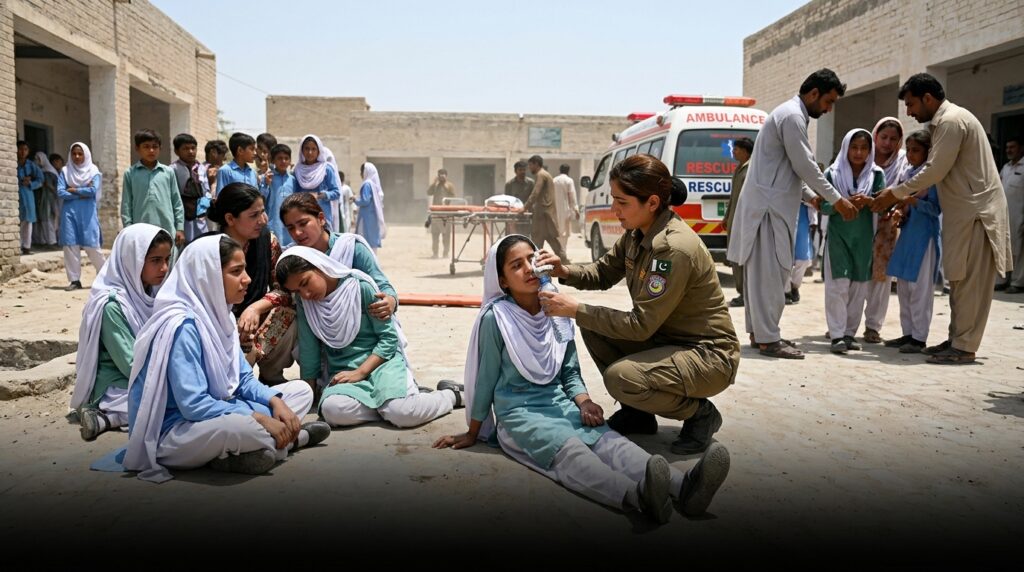
Higher transport costs have impacted public transport fares and the prices of essential goods, adding further pressure on households already struggling with inflation and rising utility expenses.
Experts warn that continuous increases in fuel prices can significantly affect consumer purchasing power, especially for middle- and lower-income families.
Businesses and Transport Sector Express Concerns
Business communities and transport operators have raised concerns over the growing burden of fuel-related taxes. According to industry representatives, expensive fuel is slowing down industrial activity, increasing operational costs, and reducing overall market demand.
Transporters say frequent fuel price adjustments are making logistics and goods transportation more expensive, which ultimately affects consumers through higher product prices.
Economists Call for Balanced Economic Policies
Economists believe the government must maintain a balance between revenue generation and public relief measures. While petroleum levies help strengthen national revenue collection, excessive dependence on fuel taxation may increase inflationary pressure and economic hardship for citizens.
Experts suggest that long-term economic stability will require broader tax reforms, improved revenue diversification, and measures aimed at reducing the financial burden on ordinary Pakistanis.
The latest figures underline the growing importance of petroleum taxation in Pakistan’s economy and its direct impact on inflation, business activity, and everyday living costs.