
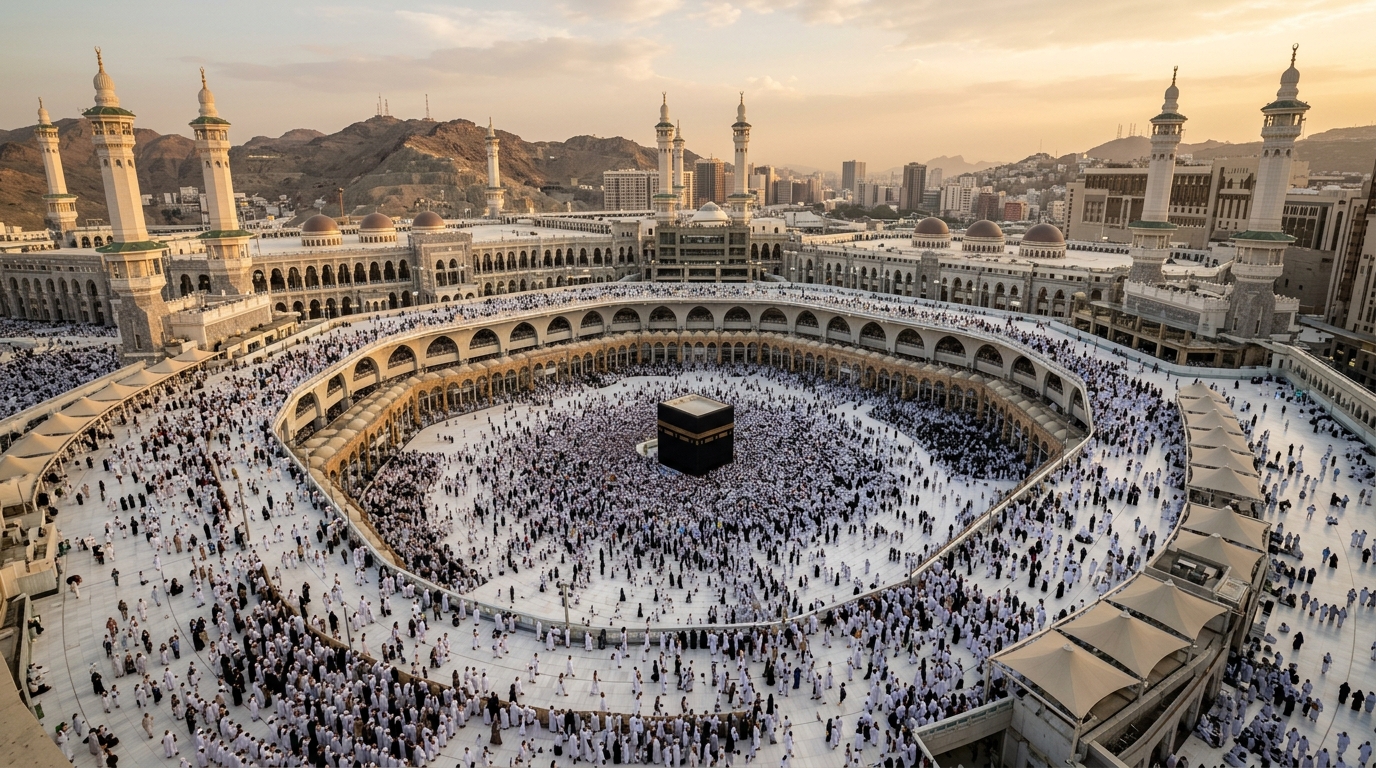
Saudi Arabia has officially announced its full preparedness for the Hajj season 2026, confirming that more than 860,000 Hajj pilgrims have already arrived in the Kingdom through air, land, and sea routes.
The announcement highlights large-scale operational planning, advanced digital infrastructure, and enhanced health and safety systems designed to manage one of the world’s largest annual religious gatherings efficiently.
Large-Scale Pilgrim Arrival Through Multiple Entry Points
According to officials, Hajj pilgrims have entered Saudi Arabia through:
- International airports (air routes)
- Border crossings (land routes)
- Seaports (sea routes)
The continuous arrival of pilgrims reflects the Kingdom’s capacity to handle massive international travel flows during the annual pilgrimage season.
Advanced Technology and AI Integration in Hajj Management
Saudi authorities have introduced artificial intelligence (AI)-based systems to improve crowd control, logistics, and operational efficiency across holy sites in Makkah and Madinah.
Key technological upgrades include:
- AI-powered crowd monitoring systems
- Real-time movement tracking and flow management
- Expanded 5G network coverage for improved connectivity
- Digital coordination tools for emergency response and logistics
These innovations aim to enhance Hajj pilgrimage management, safety, and operational efficiency.
“Makkah Route” Initiative Simplifies Travel Process
The government has also expanded the “Makkah Route” initiative, a pre-travel clearance system designed to streamline immigration and entry procedures for pilgrims before they arrive in Saudi Arabia.
Another major service, known as “Pilgrim Without a Bag”, has been introduced to simplify baggage handling and reduce processing delays at entry points.
Officials reported that these systems have significantly reduced arrival processing time from around 120 minutes to just 15 minutes, improving the overall pilgrim experience.
Massive Health and Safety Deployment for Pilgrims
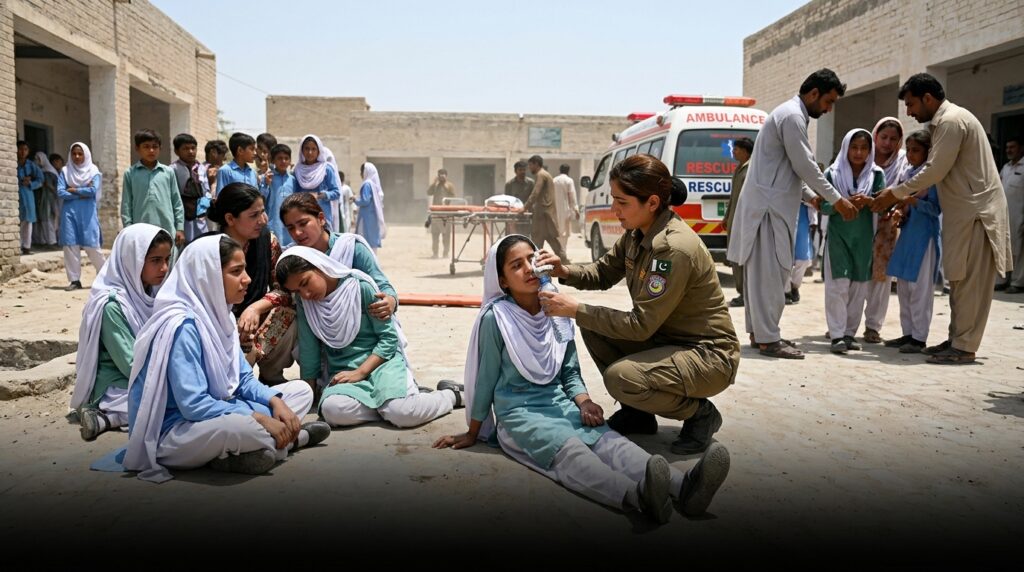
To ensure public health, emergency response, and safety management, Saudi Arabia has deployed large-scale medical and sanitation resources across holy cities.
Health and safety preparations include:
- More than 52,000 healthcare workers deployed
- Around 3,000 ambulances placed on standby
- Nearly 88,000 sanitation workers assigned for cleanliness and hygiene
Authorities confirmed that health conditions remain stable and there are currently no major epidemic concerns reported during the Hajj season.
Focus on Safety, Comfort, and Crowd Management
Officials emphasized that all Hajj preparations are designed to ensure:
- Safe and smooth pilgrim movement
- Efficient crowd control in holy sites
- High-quality medical and emergency services
- Clean and well-managed public spaces
- Enhanced travel and arrival experience
Saudi Arabia continues to strengthen its infrastructure and digital systems each year, building on its experience in managing one of the largest religious gatherings in the world.
Conclusion: A Digitally Advanced Hajj Operation
With the integration of AI technology, smart mobility systems, and expanded healthcare services, Saudi Arabia is positioning the Hajj season as a highly organized and technologically supported operation.
The arrival of over 860,000 pilgrims marks the beginning of a large-scale pilgrimage season focused on safety, efficiency, and improved pilgrim experience.